
Is America Still the Industrial Powerhouse It Once Was?
For generations, America’s industrial might was unquestionable. The United States wasn’t just the world’s largest economy—it was the factory of the world, the birthplace of innovation, the epicenter of capitalism. The American Dream was built on industries that led the world in quality, innovation, and efficiency.

But something changed. Factories began shutting down. Supply chains moved overseas. Foreign products flooded the market, and Americans started choosing them over their own.
The patriotism that once fueled domestic consumption has weakened. Americans, who historically took pride in buying products “Made in the USA,” are now choosing affordability over loyalty, quality over heritage, convenience over commitment.
How did we get here? And more importantly—how do we reverse this?
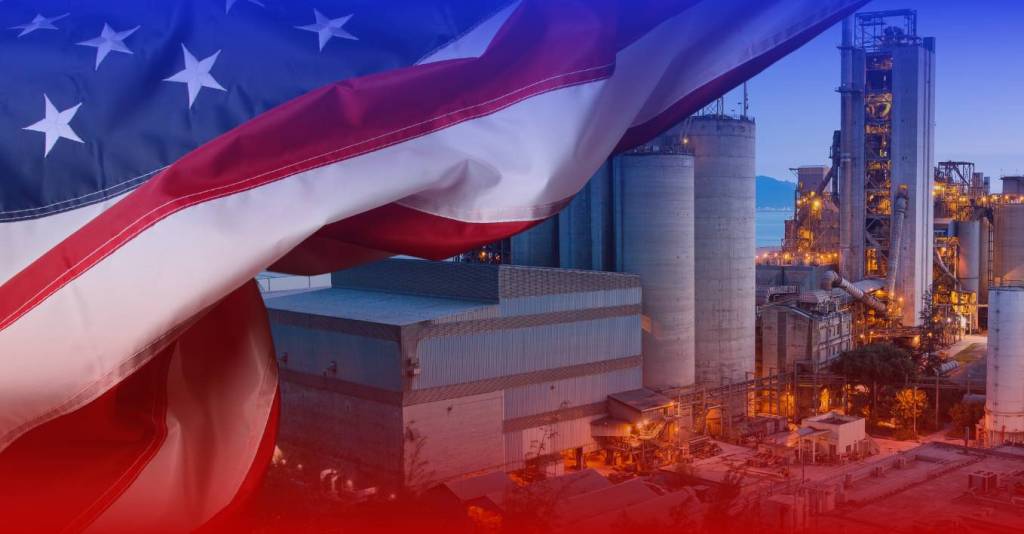
The Fall of America’s Industrial Dominance
For decades, the U.S. industrial sector held a global competitive edge. American manufacturers built the most advanced products, pioneered groundbreaking technologies, and set global standards. The world looked to America for leadership in automotive, aerospace, heavy machinery, and consumer goods.
Then globalization changed the game. Production moved overseas, where labor was cheaper, regulations were looser, and factories could operate at lower costs. The rise of China, Southeast Asia, and other manufacturing hubs disrupted the American monopoly.
At first, American businesses embraced this shift—outsourcing was a cost-saving strategy. But the unintended consequence? The systematic erosion of domestic production capacity and a reliance on foreign supply chains.
Today, we are witnessing the results of this strategic failure:
- American industries struggle with high operational costs.
- Foreign competitors offer lower prices with equal (or better) quality.
- Domestic factories cannot match the speed, agility, and efficiency of their global rivals.
- The American consumer—once fiercely loyal—now seeks better deals and more advanced technology, regardless of origin.
The world didn’t stop needing American products—but America stopped being the best at producing them.
The Illusion of Protectionism
Government intervention is now trying to reverse decades of industrial decline. Policies that increase tariffs on foreign products and incentivize companies to bring manufacturing back to the U.S. are designed to rebuild domestic production.

While these measures may slow the bleeding, they are not a permanent solution. Protectionism creates barriers, but barriers do not build strength—execution does.
Key Questions That Industrial Leaders Must Ask:
- What happens when the tariffs are lifted?
- What happens when competitors find ways around the regulations?
- What happens when American companies STILL struggle with inefficiencies, high costs, and outdated strategies?
Relying on external forces to fix what is fundamentally an operational problem is a mistake.
The real transformation must come from within—from CEOs, plant managers, and industrial leaders who recognize that government policies can buy time, but only execution and innovation can build lasting competitiveness.

Why Are Americans Choosing Foreign Products?
One of the most alarming signals for American industry today is not just the rise of foreign competition—it is the changing behavior of the American consumer. For decades, buying American was more than just a purchasing decision; it was an act of patriotism, a cultural statement, and a fundamental part of national identity.
But times have changed. That unwavering loyalty has been replaced by a more pragmatic, cost-conscious approach. Today’s American consumer is no longer driven by patriotism alone. They demand affordability, innovation, convenience, and above all—value. And if that value is found in a product made overseas rather than in the U.S., they will make that choice without hesitation.
This shift is not a betrayal of American industry—it is a reflection of market evolution. If an American-made car costs 20% more than a Japanese or German counterpart but offers no clear advantage in technology, performance, or longevity, why should the consumer choose it? If an American electronics company produces a laptop that is bulkier, slower, and more expensive than its Asian competitor, what rational incentive does the buyer have to remain loyal?
The problem isn’t that Americans stopped believing in American products. The problem is that American companies stopped giving them compelling reasons to choose domestic over foreign alternatives.
This is not an issue of nationalism; it is a fundamental failure in competitiveness. The market does not reward legacy, reputation, or sentimentality—it rewards performance.
The Real Question for Industrial Leaders:
Instead of asking, “Why aren’t Americans buying American?”, leaders should be asking:
❌ “Why aren’t American companies making products that are better, more competitive, and more aligned with what the market demands?”
The Challenge for American Industrial Leaders
If America is serious about reclaiming its position as an industrial powerhouse, business leaders must confront some uncomfortable truths.

The decline of American manufacturing is not just the result of foreign competition, outsourcing, or government policies. It is the direct consequence of stagnation, inefficiency, and a failure to adapt.
For too long, industrial leaders have relied on legacy, brand reputation, and national loyalty as their competitive advantage. But the modern consumer does not operate on sentiment. Patriotism will not save a struggling business—only efficiency, execution, and relentless innovation will.
What Must Be Done?
The answer is not found in protectionist policies or waiting for the market to shift in our favor. The answer is in execution:
✅ Operational Excellence – Eliminate inefficiencies before they eliminate you. No tariff or tax incentive will save a business with slow, outdated, and wasteful processes.
✅ Lean Manufacturing & Six Sigma – Reduce waste, improve quality, and increase profitability.
✅ Industry 4.0 & IoT – Make decisions based on real-time data, not outdated reports.
✅ Cost Competitiveness – If your factory cannot match the cost structure of competitors, it’s because your processes are not optimized.
✅ Innovation & Agility – Stop relying on outdated business models. Reinvent or become irrelevant.
American industries do not need excuses—they need execution. The path forward is about outcompeting, outperforming, and out-innovating

A Call to Action: Compete, Don’t Complain
The decline of American industry is not a government problem—it’s a leadership problem.
Industrial leaders must stop blaming the system and start taking responsibility for fixing their businesses.
The answer is not tariffs, regulations, or government bailouts. The answer is leaner, smarter, and more aggressive execution.
🔹 Invest in automation—but only after fixing inefficiencies.
🔹 Optimize supply chains—don’t just rely on old methods.
🔹 Cut waste before cutting costs.
🔹 Develop talent that understands data-driven decision-making.
🔹 Make products that Americans WANT to buy—not products you HOPE they will buy out of loyalty.
The industrial revolution isn’t coming—it’s already here. Those who hesitate, resist change, or cling to outdated strategies will disappear.
🚀 At Attitude Feelings, we help industrial leaders accelerate transformation with Lean, IoT, and execution-focused strategies. Are you ready to compete?
👉 Explore more insights at AttitudeFeelings.com
By Anderson Waldrich Nunes | Attitude Feelings Co.







 Attitude Feelings